
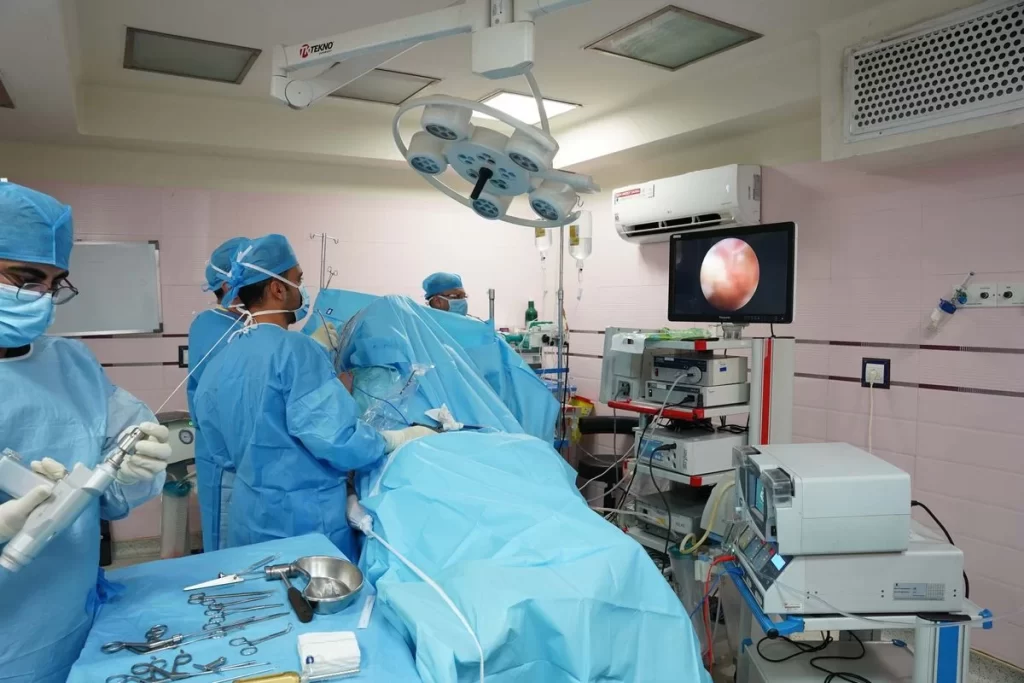
A diagnosis of colorectal cancer can feel overwhelming, especially when you are also thinking about travelling abroad for treatment. The good news is that colorectal cancer is one of the most treatable digestive cancers when addressed in time, and modern surgery has become far gentler than many people expect. This article explains, in plain language, what colorectal cancer surgery involves and what international patients should keep in mind when considering an operation in Romania. It is intended to inform and reassure you, not to replace a personal medical consultation.
Understanding colorectal cancer
Colorectal cancer develops in the large bowel — either the colon or the rectum. It often begins as a small growth called a polyp, which can slowly change over the years. Because early disease frequently causes few or no symptoms, screening and prompt investigation matter a great deal.
Common signs that deserve medical attention include:
- A lasting change in bowel habits (looser stools, constipation, or narrower stools)
- Blood in the stool or rectal bleeding
- Persistent abdominal discomfort, cramping, or bloating
- Unexplained tiredness or weight loss
- A feeling that the bowel does not empty completely
These symptoms have many possible causes and do not necessarily mean cancer. However, they should always be evaluated by a specialist so that, if needed, treatment can begin early.
How the diagnosis is confirmed
Before any operation, the team needs a clear picture of your situation. This usually involves a colonoscopy with a biopsy, along with imaging such as CT or MRI scans to understand the tumour’s size, its exact location, and whether it has spread. Blood tests, including tumour markers, may also be requested. For international patients, many of these results can be reviewed remotely, which means much of the planning can begin before you travel. You can read more about how we coordinate care from a distance on our international patients page.
Surgical options and what they involve
Surgery is often the central treatment for colorectal cancer. The aim is to remove the part of the bowel containing the tumour together with a margin of healthy tissue and the nearby lymph nodes, then reconnect the bowel so it can function normally again. The specific procedure depends on where the cancer is located and how advanced it is.
Approaches commonly used include:
- Minimally invasive (laparoscopic or robotic) surgery — performed through several small incisions, often allowing less pain and a quicker recovery in suitable cases.
- Open surgery — a traditional single incision, sometimes the safest choice for larger or more complex tumours.
- Rectal cancer procedures — carefully planned to remove the tumour while, wherever possible, preserving normal bowel function and continence.
In some situations a temporary stoma (an opening that diverts the bowel to the surface of the abdominal wall) is created to protect the healing join; in many cases this can later be reversed. Professor Graur specialises in minimally invasive and oncological surgery of the digestive tract, and you can learn more about the range of procedures offered on our surgical services page.
Why an experienced surgical team matters
Colorectal cancer is best managed by a multidisciplinary team, in which surgeons, oncologists, radiologists, and pathologists plan your treatment together. Surgery for cancers of the colon and rectum benefits greatly from a surgeon’s experience, particularly for delicate rectal operations and for cases involving the liver or other organs. You can read about Professor Graur’s background and areas of expertise on the about page. Choosing a team that regularly performs these procedures can make a meaningful difference to both safety and comfort.
Recovery and life after surgery
Recovery varies from person to person and depends on the type of operation and your general health. With minimally invasive techniques, many patients are able to move around within a day or two and gradually return to eating. A hospital stay of several days is typical, followed by a period of rest and gentle activity.
Points that are often part of the recovery journey:
- Eating small, balanced meals and staying well hydrated
- Building up gentle physical activity as strength returns
- Attending follow-up checks and any recommended additional treatment, such as chemotherapy
- Ongoing surveillance to detect and address any recurrence early
For international patients, we can help plan the timing of your stay and coordinate follow-up so that much of your longer-term monitoring can continue closer to home.
Planning treatment in Romania
Travelling for surgery raises practical questions about timing, documents, accommodation, and communication. Cluj-Napoca is a well-connected European city with a strong medical community, and our team is used to supporting patients arriving from abroad. Sending your medical records in advance allows us to review your case and give you a clearer idea of the recommended approach before you commit to travelling.
Every case is different, and the information here is educational rather than specific advice for your situation. If you would like a professional opinion on your diagnosis and the options available to you, you are warmly invited to arrange an online consultation through our international contact page. A calm, informed conversation is often the most helpful first step, and we would be glad to guide you through it.