
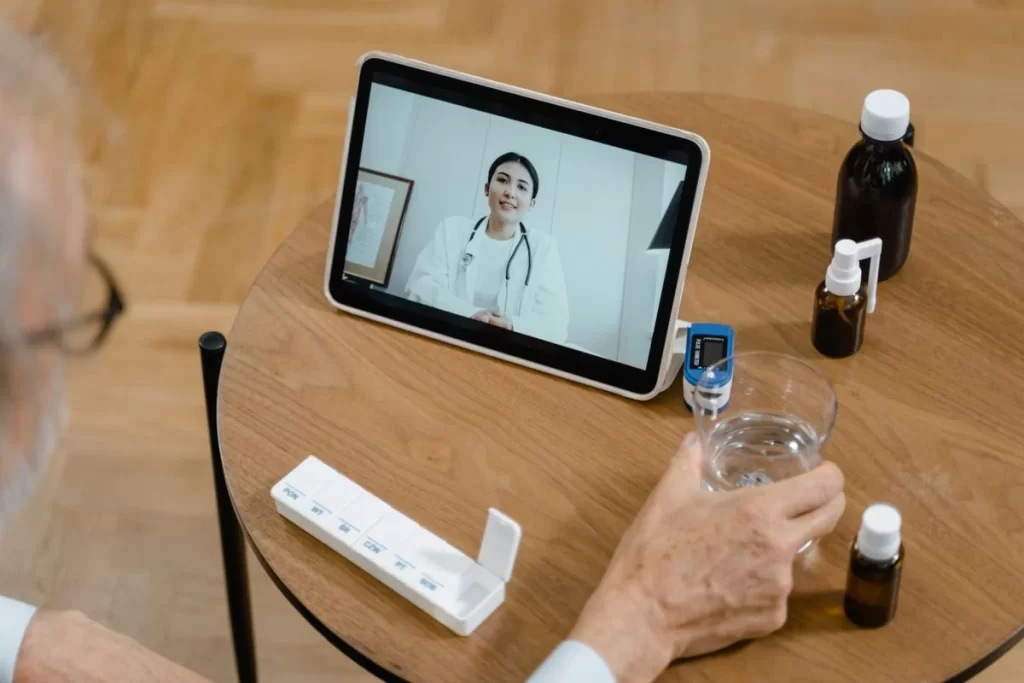
Being told you need surgery can feel overwhelming. It is completely natural to want another experienced surgeon to look at your case before you make a decision. A second opinion is not a sign of distrust in your doctor. In many cases, it is simply a way to gather more information, understand your options fully, and feel confident about the path ahead. Thanks to remote reviews, you can now do this from home, wherever you live in the world, without travelling first. This article explains, in plain terms, how a remote second opinion works and how to prepare for one.
What is a remote second opinion?
A remote second opinion is a professional review of your medical situation, carried out by a surgeon who was not involved in your original diagnosis. Instead of meeting in person, you share your medical records securely and then discuss them during an online consultation. The aim is to give you an independent view on your diagnosis, the recommended treatment, and whether alternative approaches might suit you better.
This kind of review is especially valuable for complex conditions, such as digestive, oncological, or hepato-pancreato-biliary (liver, pancreas, and bile duct) problems, where the choice of technique can genuinely affect recovery and outcomes. You can read more about how we work with patients from other countries on our international patients page.
Why patients ask for a second opinion
People request a second opinion for many understandable reasons. Some of the most common include:
- Wanting confirmation that surgery is truly the best option, rather than a non-surgical alternative.
- Exploring whether a minimally invasive (laparoscopic or robotic) approach is possible instead of open surgery.
- Understanding the risks, benefits, and expected recovery in clearer terms.
- Feeling unsure, rushed, or unheard during the first consultation.
- Considering treatment abroad and wanting an expert assessment before travelling.
Asking questions is your right as a patient. A good surgeon will always welcome your wish to be well informed.
How the remote review works, step by step
Although every case is different, a remote second opinion usually follows a clear and reassuring path:
- Initial contact. You reach out through our international contact page and briefly describe your situation.
- Sharing your records. You send your medical documents securely so they can be studied in advance.
- Case review. The surgeon examines your imaging, test results, and history in detail before the meeting.
- Online consultation. You speak directly by video call, ask your questions, and discuss the findings together.
- Written summary. Where appropriate, you receive a clear explanation of the assessment and suggested next steps.
Throughout, the focus is on helping you understand your condition, not on pressuring you toward any particular decision.
Which documents should you prepare?
The quality of a remote review depends heavily on the information you provide. The more complete your records, the more precise the assessment can be. It is helpful to gather:
- Recent imaging such as CT, MRI, or ultrasound scans, ideally the full images and not only the report.
- Biopsy or pathology results, if you have had any tissue analysed.
- Blood tests and other laboratory results.
- Previous medical letters, discharge notes, or operative reports.
- A list of your current medications and any known allergies.
- A short summary of your symptoms and how they have changed over time.
If you are unsure what is relevant, it is usually safer to share more rather than less. You can learn about the range of procedures reviewed on our surgical services page.
What a second opinion can and cannot do
A remote review is a powerful tool, but it is important to have realistic expectations. It can help clarify your diagnosis, explain your treatment options, and often bring genuine peace of mind. It may confirm your original plan, or it may open a conversation about alternatives worth discussing with your local team.
At the same time, a remote review has natural limits. Without a physical examination, some findings cannot be fully assessed from a distance, and certain decisions may still require in-person evaluation before surgery. No responsible surgeon can promise a specific outcome or a guaranteed cure based on documents alone. Instead, the goal is honest, careful guidance based on your individual situation. You can read about the experience and approach behind these reviews on the page about Professor Graur.
Making the most of your consultation
To feel calm and prepared, it helps to write down your questions in advance. You might ask why surgery is recommended, what would happen without it, which technique is proposed, what recovery typically looks like, and what the main risks are. Having a family member or friend present during the call can also help you remember the details afterwards.
Please remember that this article is for general educational purposes and does not replace a personal medical consultation. Every patient and every case is unique. If you are facing a decision about surgery and would value an independent, experienced perspective, you are warmly welcome to arrange an online consultation. Taking this step can help you move forward with greater clarity and confidence, at your own pace and without any obligation.