
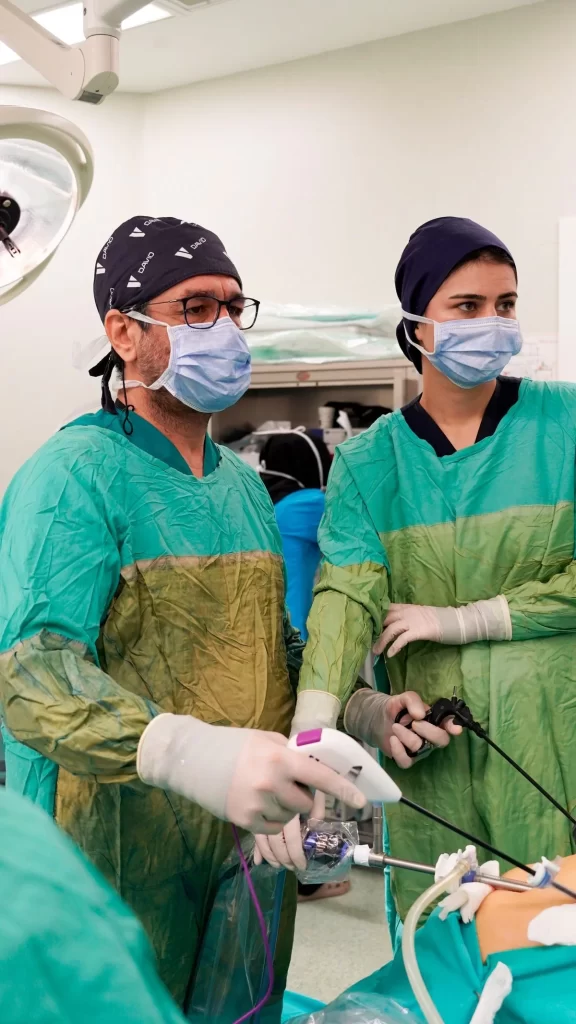
Gallbladder problems are among the most common reasons people need surgery, and they can seriously disrupt daily life. Repeated pain after meals, discomfort under the right ribs, nausea and disturbed sleep can make even simple routines difficult. The good news is that removing the gallbladder is a well-established, routine operation, and today it is most often performed using gentle keyhole techniques. For international patients, Romania has become an attractive option, combining experienced surgical care with short waiting times and reasonable costs. This article is educational and is intended to help you understand your options; it does not replace a personal medical consultation.
Why the gallbladder sometimes needs to be removed
The gallbladder is a small pouch beneath the liver that stores bile, a fluid that helps digest fats. Problems usually begin when gallstones form. These stones can block the flow of bile, causing inflammation, pain and sometimes infection. In many cases, once symptoms appear they tend to return and may become more severe over time.
Common reasons surgery is recommended include:
- Painful gallstones (biliary colic), often after fatty meals
- Inflammation of the gallbladder (cholecystitis)
- Repeated episodes that interfere with everyday life
- Complications such as blocked bile ducts or inflammation of the pancreas
The reassuring part is that you can live a full, healthy life without a gallbladder. The liver continues to produce bile, and digestion generally adapts well after the operation.
What minimally invasive gallbladder surgery involves
The standard operation is called a laparoscopic cholecystectomy, often described as keyhole surgery. Instead of one large incision, the surgeon makes a few small cuts, usually less than a centimetre each. A thin camera and fine instruments are passed through these openings, allowing the gallbladder to be removed carefully while the surgeon views a magnified image on a screen.
Compared with traditional open surgery, the minimally invasive approach often offers:
- Smaller scars and less visible marks
- Less pain after the operation
- A shorter hospital stay, frequently just one night
- A quicker return to normal activities
Professor Florin Graur specialises in minimally invasive and hepato-pancreato-biliary surgery, an area focused precisely on the liver, bile ducts, pancreas and gallbladder, and is the author of over 120 published scientific papers. You can read more about his background and experience on the about the professor page, and explore the range of operations offered under surgical services.
Is keyhole surgery always possible?
In most planned cases, the keyhole technique can be used successfully. However, every patient is different. Where there is severe inflammation, scarring from previous surgery or unusual anatomy, the surgeon may recommend a different approach, or occasionally convert to open surgery during the operation for safety reasons. This is not a complication but a careful decision made to protect you. During your consultation, the surgeon will explain what is most likely in your situation and answer your questions honestly.
Recovery and getting back to normal
Recovery after keyhole gallbladder removal is often quicker than many people expect. Many patients are able to walk the same day and go home after a short hospital stay. Mild discomfort around the small incisions is normal in the first days and usually settles with simple pain relief.
General guidance often includes:
- Gentle movement soon after surgery to support recovery
- Returning to light daily activities within a week or so in many cases
- Easing back into more demanding work and exercise over a few weeks
- Eating a balanced diet, introducing richer foods gradually
Your surgical team will give you personalised advice, as recovery depends on your overall health and the details of your operation. If you are travelling from abroad, it is wise to plan a short stay so that any early check-ups can be completed before you fly home.
Why consider gallbladder surgery in Romania
Romania has developed a strong reputation for skilled surgical care, and Cluj-Napoca in particular is a well-regarded medical and university city. For patients coming from other countries, several practical advantages often stand out:
- Access to experienced specialists in minimally invasive techniques
- Shorter waiting times than in some national health systems
- Costs that are frequently more affordable than in Western Europe or North America
- Modern facilities and English-language communication for international patients
Because every case is individual, exact costs and timing are best confirmed after an initial assessment. Our information for international patients explains how the process works, from your first enquiry to travel and follow-up care.
Planning your treatment from abroad
Arranging surgery in another country can feel daunting, but a clear plan makes it manageable. The usual first step is an online consultation, where the surgeon reviews your history, symptoms and any imaging or test results you already have. This helps confirm whether surgery is appropriate and what to expect, before you make any travel arrangements. Sharing recent scans and blood tests in advance allows for a more accurate discussion.
If gallbladder symptoms are affecting your quality of life, you do not have to manage the uncertainty alone. A calm, informed conversation is often the most helpful starting point. To discuss your situation and understand your options, you are welcome to arrange an online consultation with Professor Graur’s team. Please remember that this article is for general information only and cannot replace an individual medical assessment; no operation can promise a specific outcome, but a personalised discussion will help you make a confident, well-supported decision.